
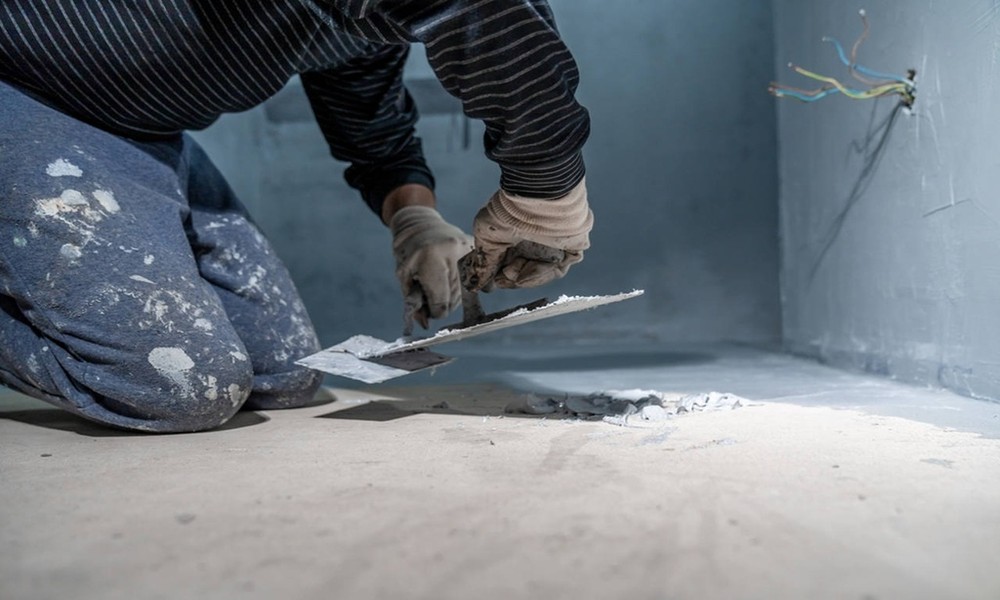
Engaging a qualified bathroom waterproofing contractor is one of the most important decisions a homeowner or developer can make when building, renovating, or maintaining a wet area. Bathrooms are the single most common source of water damage in Singapore’s residential buildings, and the quality of the waterproofing applied during construction or renovation determines how reliably the space performs for years to come.
Why Bathrooms Are Particularly Vulnerable to Water Damage
The bathroom operates in conditions that no other room in the home replicates. It is subjected to daily cycles of saturation and drying, temperature fluctuations, exposure to cleaning chemicals, and constant movement of people and fittings. These conditions place sustained stress on every surface and joint within the wet area.
Waterproofing is the system that sits between these daily stresses and the structural fabric of the building. When it fails – through age, poor initial application, or physical damage – water begins to migrate through the substrate, tracking through concrete slabs and cavity walls before emerging as stains, dampness, or active drips in the spaces below or adjacent.
What Bathroom Waterproofing Actually Involves
Effective bathroom waterproofing is not a single product applied to a single surface. It is a system of membranes, primers, sealants, and reinforcement tapes applied in precise layers to create a continuous and reliable barrier against water migration.
A bathroom waterproofing contractor working to a professional standard will typically:
- Prepare the substrate by grinding, cleaning, and repairing any cracks or voids
- Apply a bonding primer to ensure adhesion of the waterproofing membrane
- Install reinforcement fabric at all internal corners and floor-to-wall junctions, which are the most common points of membrane failure
- Apply multiple coats of a liquid waterproofing membrane to achieve the specified dry film thickness
- Seal all penetrations including drain outlets, pipe entries, and service conduits
- Apply a flood test to verify the integrity of the membrane before tiling commences
Skipping or inadequately completing any of these steps compromises the system as a whole, regardless of how well the remaining stages are executed.
Common Failure Points in Bathroom Waterproofing
Understanding where waterproofing systems most commonly fail helps explain why professional workmanship is so critical. The most frequent failure locations include:
- Floor-to-wall junctions: Movement between the floor slab and the wall causes stress at this joint that can crack a rigid membrane applied without flexible reinforcement
- Around floor drains: The junction between the drain body and the waterproofing membrane is a precision detail that requires careful execution
- Pipe penetrations: Any service pipe passing through a waterproofed surface creates a potential weak point that must be carefully detailed
- Shower screen bases: The joint between a shower screen and the tiled floor is a common point of sealant failure, particularly where silicone has aged or been cleaned aggressively
As Minister for National Development Desmond Lee has observed about Singapore’s housing standards, “The quality of our homes must be upheld not just in their design and construction, but in how they are maintained and repaired over time.” Bathroom waterproofing is a core part of that long-term quality standard.
Renovation Waterproofing vs New Construction
The approach taken by a bathroom waterproofing contractor differs depending on whether the project involves new construction or the renovation of an existing bathroom.
In new construction, the waterproofing is applied to the bare concrete substrate before tiling, which allows for a clean installation with full coverage and no pre-existing failure points to address.
In renovation work, the existing tiles and screed are typically hacked off to expose the substrate, which is then assessed for damage, repaired, and re-waterproofed before new tiles are laid. This process is more complex and labour-intensive than new construction work, and the condition of the substrate revealed after hacking can sometimes require additional remediation.
In some cases, an injection-based or surface-applied waterproofing system can be applied without full hacking – a less disruptive approach that is appropriate when the existing structure is sound and the failure is localised.
Selecting a Qualified Contractor
The market for bathroom waterproofing services includes contractors of widely varying capability. When selecting a specialist wet area waterproofing contractor, look for:
- Demonstrated experience specifically in bathroom and wet area waterproofing, not just general renovation or tiling
- Knowledge of the specific membrane systems they use and the conditions under which each is appropriate
- Compliance with Singapore’s Code of Practice for waterproofing (CP 82)
- Willingness to perform a water ponding or flood test before tiling to verify membrane integrity
- A written warranty on their workmanship covering a minimum of five years
Pricing should be transparent and detailed, covering surface preparation, membrane application, penetration sealing, and flood testing as separate line items.
The True Cost of Inadequate Waterproofing
Cutting costs on bathroom waterproofing is among the most expensive decisions a property owner can make. A waterproofing system that fails within a few years of installation requires a full bathroom renovation to correct – including tile hacking, substrate repair, re-waterproofing, retiling, and reinstatement of all fittings. In a multi-storey building, this may also involve compensating the affected neighbour below for ceiling damage repairs.
The cost of doing the job properly at the outset is a small fraction of the cost of addressing a failure after the fact. Choosing a qualified, experienced contractor and insisting on proper preparation and testing is the most reliable protection against that outcome.
Bathroom waterproofing done right is invisible but invaluable – providing the silent protection that keeps wet areas leak-free and the spaces around them safe from water damage for many years.
