
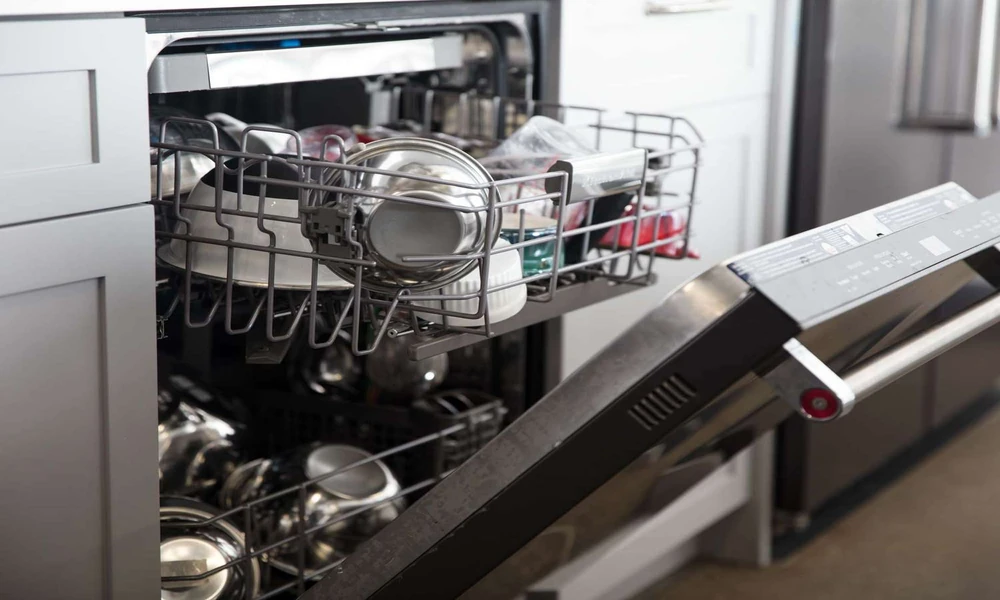
Pour a pot of rinse water into a kitchen sink and it disappears in seconds. What most people never picture is the route it takes afterward. It drops through a curved trap under the counter, runs along a branch line hidden in the wall or slab, joins the main line beneath the house, and finally slips out through the yard toward the city sewer. Every bend and joint along that path is a place where trouble can settle, and in Rio Grande Valley homes, the stretch from fall through the holidays puts that route under more strain than any other time of year.
Part of the reason is simple volume. Cooler weather brings family dinners, visiting relatives, and long cooking days like the tamalada, when masa, lard, and simmering pork keep the sink busy from morning until night. The other part is chemistry. Valley tap water is among the hardest in Texas, loaded with calcium and magnesium that slowly coat the inside of pipes with a rough mineral crust. That crust behaves like sandpaper for grease, giving fats something to grip as they cool and harden.
If you already notice slow sinks or odd gurgling sounds, the smartest move is to deal with it before the busiest cooking weeks arrive. Homeowners looking for reliable Drain Cleaning in Weslaco can turn to Farrell Plumbing & Cooling Inc., a locally owned company that has served the Valley since 1979. Their licensed and insured crews are available 24 hours a day across Weslaco, McAllen, Harlingen, and Mission, and because they also handle sewer line cleaning and replacement, garbage disposal repair, and water softener installation, they can fix the underlying cause instead of just clearing the symptom.
With that covered, here is what happens at each stop along the way, and what tends to go wrong there.
The Curve Under the Sink
The P-trap is the U-shaped pipe directly beneath the drain. Its job is to hold a small pool of water that blocks sewer gas from rising into the kitchen. Because it bends sharply, it is also the first place heavy debris collects.
Corn husks, rice, and bits of masa often stall here. A garbage disposal helps with some food scraps, but husks are a poor match for it. Their long fibers wrap around the grinding plate and can stop the motor entirely, which is why a jammed disposal is such a common call during the holidays.
Inside the Walls and Beneath the Slab
Past the trap, water enters the branch line, and this is where Valley chemistry really shows itself. When cooking fat meets mineral-rich water, a slow reaction turns it into calcium soap, a waxy material far tougher than ordinary grease. It is the same substance that forms the massive grease clogs utilities pull out of municipal sewers.
Inside a home, it builds in layers. Warm fat flows down, cools against the pipe wall, and hardens. The next rinse brings starch from masa or pasta water, which swells and turns sticky, binding everything together. Over a few busy weeks, a two inch pipe can narrow until only a trickle passes through.
Many homeowners respond by running very hot water, assuming it will melt the problem away. It does, briefly. The grease simply travels a few feet farther before hardening again, often in a harder to reach spot.
The Room That Sat Empty All Summer
Plenty of Valley households open up guest rooms in the fall. Winter Texans return in October and November, college students come home, and spare bathrooms that sat unused since spring suddenly see daily showers.
Months of South Texas heat can evaporate the water in those unused traps, leaving an open path for sewer gas. A faint, sour smell in a guest bath is usually the first clue. Running each faucet and shower for a minute refills the seal. If the odor returns quickly, a cracked trap or a blocked vent may be the real issue.
Extra people also mean extra flushing, laundry, and bathing, which can expose a main line that has been barely coping all year.
Out Past the Foundation
Once water leaves the house, it travels through the main sewer line buried in the yard. Here the soil matters as much as the pipe. Much of the Valley sits on clay-heavy ground that shrinks and cracks during the hot months, then swells when fall rains return. That movement pulls at joints and can create low spots where waste settles.
Tree roots exploit those weak points. After a long, dry summer, shade trees and backyard citrus reach aggressively for moisture, and a hairline gap in an older cast iron or clay line is easy to find. Fine roots grow into a mesh that traps grease and paper. Water backing up near the outdoor cleanout, or several fixtures slowing at once, usually points to a problem out here rather than inside.
A Side Channel Most People Forget
Air conditioners in the Valley often keep running well into autumn, and every system produces condensation that flows out through a small drain line. In warm, humid conditions, algae and sludge can clog that line. The result may be water pooling near the indoor unit or a system that shuts itself off as a safety measure. It is a small pipe, but it is part of the same household drainage picture and deserves a look before the holidays.
Planning a Big Cooking Day Around Your Pipes
A little preparation goes a long way when the kitchen will be running for hours.
Before cooking starts, set out an empty coffee can or jar for fats and place strainer baskets in every sink. During the day, scrape masa bowls and greasy pans into the trash and wipe them with a paper towel before washing. Husks should go straight to the trash or compost. When using the disposal, run cold water so any grease stays solid and gets chopped rather than melted.
Afterward, resist reaching for caustic drain openers if something slows down. These products generate heat, can damage older pipes and disposals, and rarely reach clogs that sit deeper in the line.
When Clearing Is No Longer Enough
Not every blockage needs the same treatment. A cable auger punches through a single obstruction and restores flow, which works well for isolated clogs. Buildup that coats the entire pipe wall, like the grease and mineral layers common in hard water areas, often responds better to high pressure water jetting that scours the pipe clean.
Repeated backups in the same spot are a different story. They usually signal a sagging section, a cracked joint, or pipes corroded beyond practical repair. In those cases, sewer line replacement or whole house repiping can save money compared with endless service calls. Softening the water supply also helps over time, since less mineral scale means fewer rough surfaces for grease to cling to.
The holidays should be remembered for full tables and loud kitchens, not for water rising in the sink. Knowing where your dishwater goes makes it much easier to keep it moving.
