
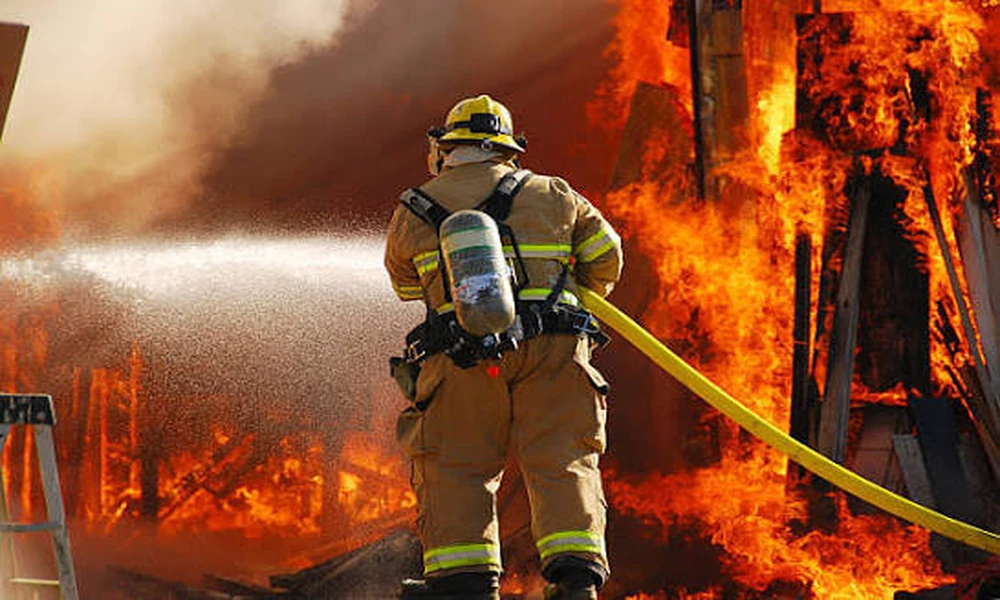
Fire watch requirements can vary rapidly. A sprinkler system might need to be shut down for a few hours, an alarm system might be down for a lengthy repair or a construction project may cause fire hazards for several weeks. In both instances, property managers require trustworthy eyes on site. The question is, will it be better to have short-term fire watch coverage or a longer contract?
Choosing the right approach depends heavily on your specific property needs and the nature of the system outage. Partnering with a reliable provider of fire watch guard services gives management the flexibility to rapidly deploy trained personnel for unexpected emergencies, while also offering structured, scalable options when ongoing coverage is required to maintain total life safety compliance.
When a short-term period of coverage is the best option.Generally, short-term fire watch is appropriate for short-term issues. Maybe an alarm panel is in need of emergency repair, a sprinkler line is being serviced, or a building has an unexpected system outage. In such cases, the property manager may require the guards to be on duty for one shift, several days, or until the affected equipment is put back into use. Short-Term Coverage provides flexibility without the property being committed to a long contract. It can also be helpful when things are not as easy to foresee as they could be. When repairs are anticipated to take two days, and the contractor realises that another issue needs attention, it may be possible to extend the coverage without an entire reorganisation.This is the reason why some sites require longer coverage.The long-term fire watch is another story. Large commercial properties, buildings undergoing long fire protection works or construction sites may be at higher risk for weeks or even months. It can be smoother to have a standing team. Guards are made familiar with the layout of the property, high-risk areas, access points, emergency procedures and recurring hazards. They take less time to learn the site, and more time observing the site. Longer contracts could also make it easier to schedule when you need it around the clock, including nights, weekends and holidays.The Difference in Day-to-Day ServiceFor short-term coverage, speed of deployment is often the priority and a clear identification of the problem at hand. The guards should be provided with a briefing on the site and clear instructions for their patrol to get them started and avoid any delays. The deeper routine can be done with long-term coverage. Employees can establish regular patrol schedules, get to know building personnel and be aware of shifts that may otherwise go unnoticed. The familiarity can be useful. A guard who has been walking the same property for several weeks, can detect when a clear exit is blocked or when stored material is beginning to encroach on a restricted area.What About Cost?Don’t let price be the only consideration. The short-term service may charge a higher hourly rate or require a minimum shift service, due to the need to mobilise personnel rapidly. Depending on the contractor and the extent of work, long-term arrangements may have a more predictable schedule and price. The full service, from staffing to supervision, reporting and coverage hours should be compared by property managers.Selecting the appropriate arrangement.It will depend on the purpose of the fire watch, the property size and the level of risk, and the duration of expected absence of normal fire protection. Short-term coverage might be sufficient for short equipment outages. A longer agreement can offer more stability if the construction project or system upgrade is going to be a long-term process.
