
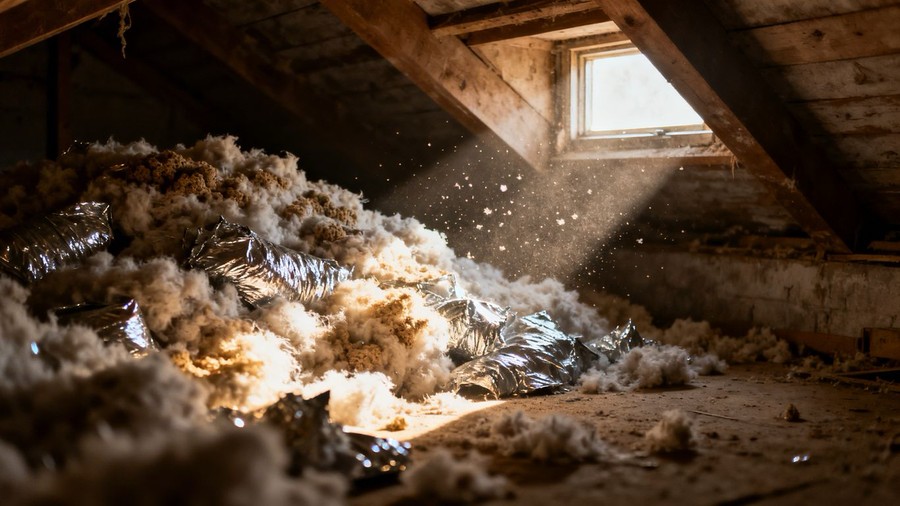
When Asbestos Was Used in Homes
Many homes built before the 1980s might have insulation containing asbestos. This material was popular for a long time because it was good at resisting fire and heat. Builders liked it because it was easy to install and didn’t cost too much. It was used in all sorts of places, not just attics, but walls and floors too. If your house is older, especially if it’s in a neighborhood with many established homes, there’s a chance asbestos materials were used during its construction. The widespread use of asbestos in building materials lasted for several decades.
Common Types Found in Attics
When people talk about asbestos in attics, they often mean loose-fill insulation. This is the kind that was poured or blown into the attic space. There are a few common forms you might encounter:
- Vermiculite: This is a mineral that expands when heated, creating a lightweight, pebble-like material. It often looks silvery-gold or grayish-brown. A significant amount of vermiculite insulation used in homes came from a mine in Libby, Montana, which was known to be contaminated with asbestos. You can find more details about what vermiculite insulation looks like if you suspect you have it.
- Loose-fill fibers: This can be a fluffy, grayish material that looks somewhat like cotton or wool. It was often blown into attics to fill spaces.
- Pipe wraps and insulation: While not strictly attic insulation, older homes might have asbestos-wrapped pipes running through the attic space, which can also pose a risk if disturbed.
The Vermiculite Connection
Vermiculite itself is a natural mineral, but the problem arose from how it was mined and processed. Much of the vermiculite used for insulation in North America came from a specific mine in Libby, Montana. This particular mine had asbestos deposits mixed in, meaning the vermiculite product was often contaminated with asbestos fibers. Even though the mine closed down, millions of homes still contain this vermiculite insulation today. It’s important to remember that not all vermiculite contains asbestos, but there is no way to tell just by looking at it. The only way to know for sure is through professional testing.
Health Risks Associated with Asbestos Exposure
Long-Term Health Consequences
Exposure to asbestos fibers, particularly through inhalation, can lead to serious health problems that may not appear for many years, sometimes even decades, after the initial exposure. This latency period is a significant concern, as individuals may not realize they have been exposed until symptoms begin to manifest. The microscopic fibers can become lodged deep within the lungs, causing gradual damage over time. The insidious nature of these diseases means that early detection of asbestos in a home is paramount to preventing future health issues.
Mesothelioma and Lung Cancer
One of the most well-known risks associated with asbestos exposure is mesothelioma, a rare and aggressive cancer that affects the lining of the lungs, abdomen, or heart. Inhaling asbestos fibers is the primary cause of this disease. Additionally, asbestos exposure significantly increases the risk of developing lung cancer. For individuals who smoke and have been exposed to asbestos, the risk of lung cancer is amplified considerably. The more extensive and prolonged the exposure, the higher the likelihood of developing these life-threatening conditions.
Asbestosis and Pleural Diseases
Beyond cancers, asbestos exposure can result in non-cancerous lung conditions. Asbestosis is a chronic lung disease characterized by scarring of lung tissue. This scarring makes it difficult for the lungs to function properly, leading to shortness of breath, persistent cough, and chest pain. Another category of asbestos-related illnesses involves the pleura, the membranes that surround the lungs. These pleural diseases can include pleural thickening, pleural plaques (areas of fibrous tissue on the pleura), and pleural effusions (fluid buildup around the lungs). While not cancerous, these conditions can cause discomfort and breathing difficulties, impacting a person’s quality of life.
Identifying Potential Asbestos in Your Attic
Visual Clues of Vermiculite and Loose-Fill
Homeowners might notice certain visual cues that suggest the presence of asbestos-containing insulation, particularly vermiculite or loose-fill types. Vermiculite, often found in attics, typically appears as small, shiny, pebble-like granules that can range in color from golden brown to gray. Loose-fill insulation, on the other hand, might look like fluffy, grayish material. However, it is impossible to definitively identify asbestos based on appearance alone. These materials were popular in homes built before the 1980s because of their insulating and fire-resistant qualities.
The Invisible Nature of Asbestos Fibers
One of the most significant dangers of asbestos is that its fibers are microscopic. They are too small to be seen with the naked eye, making it difficult to know if you are being exposed. When materials containing asbestos are disturbed, these tiny fibers can become airborne and remain suspended in the air for extended periods. This invisibility means that even if you cannot see any dust or particles, asbestos fibers could still be present and pose a health risk.
Why Professional Testing is Essential
Given the invisible nature of asbestos fibers and the potential for misidentification based on appearance, professional testing is the only reliable way to determine if your attic insulation contains asbestos. Certified asbestos inspectors have the training and equipment to:
- Safely collect samples of suspect materials without releasing fibers into the air.
- Submit these samples to an accredited laboratory for analysis.
- Provide a definitive report on the presence or absence of asbestos.
Attempting to collect samples yourself or relying solely on visual inspection can be dangerous and may lead to a false sense of security or unnecessary alarm. A professional assessment is a necessary step for understanding the true risks in your attic.
Risks of Disturbing Asbestos-Containing Materials
When asbestos-containing materials, like vermiculite insulation, are left undisturbed, they generally pose little risk. The danger arises when these materials are agitated, which can release microscopic asbestos fibers into the air. These fibers are incredibly small and can remain suspended in the air for extended periods, making them easy to inhale without immediate awareness.
How Fibers Become Airborne
Even seemingly minor activities can disturb asbestos insulation and cause fibers to become airborne. Consider these common scenarios:
- Physical Contact: Simply walking in the attic, moving storage boxes, or leaning against insulation can break apart asbestos-containing materials.
- Vibrations: Household activities, such as using appliances, running the washing machine, or even heavy foot traffic on floors above the attic, can cause vibrations that dislodge fibers over time.
- Air Currents: Natural air movement within the attic space, or drafts from vents, can stir up settled fibers, making them airborne.
Contamination During Renovations
Home renovation projects, especially those involving the attic or walls, present a significant risk for asbestos fiber release. Activities like demolition, drilling, sanding, or even just cutting into materials can aerosolize asbestos. Without proper containment and protective measures, these fibers can spread throughout the entire house, contaminating living spaces, furniture, and personal belongings. This widespread contamination makes subsequent cleanup extremely difficult and costly.
HVAC and Airflow Contamination
Your home’s heating, ventilation, and air conditioning (HVAC) system can inadvertently become a pathway for asbestos fiber distribution. If asbestos-containing materials are located near air intakes or within ductwork, the operation of the HVAC system can draw these fibers into the airflow. This means that asbestos can be circulated throughout your home every time the system runs, leading to continuous, low-level exposure for all occupants. Identifying and addressing asbestos within or near HVAC components is therefore particularly important for preventing widespread household contamination.
Safe Practices for Vermiculite Insulation
What to Do If Vermiculite Is Suspected
If you believe your attic might contain vermiculite insulation, the most important first step is to avoid disturbing it. This material, often appearing as small, shiny, pebble-like granules, was widely used for its insulating properties. However, much of the vermiculite installed in homes before the 1990s may be contaminated with asbestos. Do not attempt to clean, move, or remove it yourself. Even minor disturbances can release microscopic asbestos fibers into the air, which can then spread throughout your home and pose serious health risks when inhaled. The safest approach is to leave the material untouched and proceed with professional assessment.
Why Vermiculite Insulation Shouldn’t Be Disturbed
The primary danger associated with vermiculite insulation lies in its potential asbestos content. When this insulation is disturbed—whether through activities like vacuuming, sweeping, or even just walking on it—the asbestos fibers can become airborne. These fibers are incredibly small and can remain suspended in the air for extended periods, easily spreading through your home’s ventilation system. Inhaling these fibers is linked to severe, long-term health issues, including mesothelioma, lung cancer, and asbestosis. Therefore, any interaction with suspected vermiculite should be minimized until its composition is confirmed and a safe removal plan is in place.
Professional Testing and Abatement
Given the invisible nature of asbestos fibers and the significant health risks involved, professional intervention is highly recommended if vermiculite insulation is suspected. Certified asbestos testing professionals have the proper equipment and training to safely collect samples for laboratory analysis. If asbestos is confirmed, these professionals can then carry out abatement, which is the process of safely removing or containing the hazardous material. Attempting DIY removal or testing is strongly discouraged due to the high risk of exposure. Relying on trained experts ensures that the process is conducted according to strict safety regulations, protecting both your household and the environment.
The Necessity of Professional Asbestos Abatement
Why Professional Abatement Is Necessary
When asbestos is identified in attic insulation, particularly vermiculite, attempting removal as a do-it-yourself project is strongly discouraged. The primary reason is the extreme difficulty in containing and removing the microscopic asbestos fibers without releasing them into the living space. Professionals possess specialized training and equipment designed to manage these hazardous materials safely. This includes using containment barriers, negative air pressure systems, and personal protective equipment to prevent fiber spread. Failure to follow proper procedures can lead to widespread contamination, posing significant health risks to occupants.
Potential Costs and Insurance Considerations
The cost of professional asbestos abatement can vary widely depending on the size of the attic, the extent of contamination, and the specific abatement methods required. While it may seem expensive upfront, it is a necessary investment for health and safety. Homeowners may wonder about insurance coverage. Some homeowner’s insurance policies might offer partial coverage for asbestos removal, especially if the contamination is linked to a covered event. However, this is not always the case, and policies differ significantly. It is advisable to consult with your insurance provider and obtain detailed quotes from licensed asbestos abatement contractors to understand the financial implications and potential coverage options before proceeding.
Safe Removal and Modern Insulation Options
Professional asbestos abatement involves a multi-step process to ensure complete and safe removal or encapsulation. This typically includes:
- Containment: Creating a sealed work area to prevent fiber release.
- Removal/Encapsulation: Safely removing the asbestos-containing material or applying a sealant to prevent fiber release.
- Cleaning: Thoroughly cleaning the area using specialized equipment like HEPA vacuums.
- Air Monitoring: Conducting air tests to confirm the area is safe before removing containment.
Once the asbestos has been professionally addressed, homeowners can then consider installing modern insulation. Options like blown-in cellulose or spray foam insulation not only improve energy efficiency but also contribute to a healthier indoor environment. Choosing professional abatement is the most responsible approach to protect your home and family from the dangers of asbestos.
