
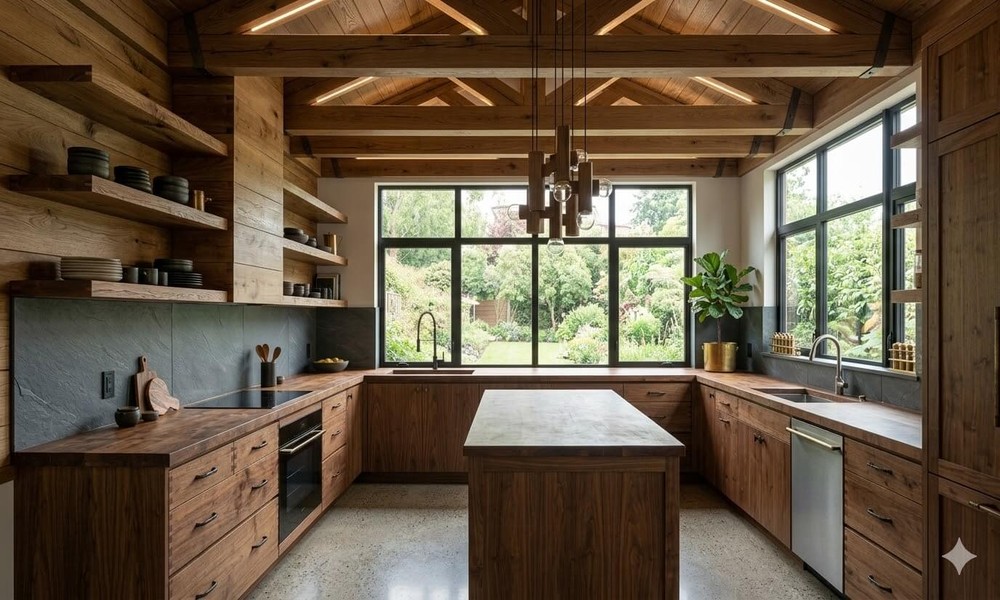
A kitchen is more than a place to cook. It is the heart of the home, a space where durability is tested every single day. The choice of materials can make or break how a kitchen stands up to time, spills, and ever-changing tastes. Yet, myths about durable materials continue to mislead homeowners and designers alike.
Myth 1: Durable Materials Are Always Expensive
It is easy to assume that materials built for longevity must come with a hefty price tag. But the real calculation lies in the difference between upfront cost and long-term value.
Understanding Cost vs. Value in Kitchen Materials
Some materials may seem budget-friendly at first glance, like particle board cabinets or laminate countertops. However, these options often require repairs or replacements within a few years, leading to added costs over time. In contrast, quality woods, stone, and high-grade composites cost more initially but remain resilient against moisture, impacts, and heat. When compared over a ten- or twenty-year span, investing in the best materials actually saves money.
Long-Term Savings Through Durability
Consider the maintenance and replacement cycles. Replacing cabinet doors, patching chipped countertops, or dealing with water-damaged materials can quickly add up. Durable surfaces not only cut down on these recurring expenses but also preserve the kitchen’s appearance and function well into the future.
Myth 2: All Durable Materials Look Industrial or Unattractive
Some believe that strength means sacrificing style. This misconception is rooted in decades-old design trends but ignores today’s possibilities.
Aesthetic Versatility of Durable Materials
Advancements in material technology have opened up a world of finishes and textures. Engineered quartz can mimic the look of marble, recycled glass surfaces sparkle with color, and bamboo offers warmth alongside resilience. Oak, walnut, and maple woods are not just sturdy options; they bring timeless elegance that adapts to nearly any aesthetic.
Customization Possibilities to Match Any Design
Modern kitchen designers know how to play with patterns, hues, and combinations that deliver both beauty and strength. Custom cabinetry, detailed joinery, and tailored finishes prove that durability never means boring. Every element, from hardware to backsplash, can be as expressive as it is tough.
Myth 3: Durable Materials Are Hard to Maintain
A common worry is that materials designed for longevity require fussy care routines. The reality is quite the opposite.
Low-Maintenance Properties of Quality Materials
Look at stainless steel, engineered stone, and sealed hardwoods. These surfaces are easy to wipe clean, resist stains, and shrug off the daily abuse of kitchen life. They are meant to look good with minimal effort.
Simple Care Tips to Prolong Material Life
Routine cleaning with mild soap and water often suffices. Occasional resealing (for natural stone) or a light polish (for wood) extends the lifespan even further. With a few simple habits, homeowners can keep their kitchens looking fresh for years.
Myth 4: Durability Means Compromising Ergonomics and Functionality
Durable does not mean clunky. In fact, the best kitchen designs leverage tough materials to improve usability.
How Durable Materials Enhance Kitchen Usability
Hard-wearing countertops provide stable prep space. Sturdy drawer slides and hinges mean smooth operation, even with heavy pots and everyday slamming. Non-porous surfaces make cleanup a breeze, reducing stress and risk.
Case Studies of Ergonomic, Long-Lasting Kitchen Designs
Projects like those from renovation de cuisine Askal show how thoughtful choices bring together ergonomic layouts and robust materials. Every detail, from custom storage solutions to integrated lighting, works in harmony, creating kitchens that feel as good as they function.
Myth 5: Choosing Durable Materials Limits Sustainable Options
The push for sustainability does not have to come at the expense of durability.
Eco-Friendly Durable Materials in Modern Kitchens
Bamboo is fast-growing yet incredibly tough. Recycled glass and reclaimed wood offer both unique character and environmental benefits. Certified sustainable woods and low-VOC finishes further demonstrate that durability and eco-consciousness can go hand in hand.
Balancing Longevity with Environmental Responsibility
A kitchen that does not need frequent replacement is inherently more sustainable. Fewer replacements mean less waste and a smaller carbon footprint, making long-lasting materials a responsible choice.
Myth 6: Renovation with Durable Materials Is Too Complex and Time-Consuming
Many fear that opting for long-lasting materials will draw out the renovation process or introduce new headaches.
Streamlined Project Management for Durable Kitchen Builds
With experienced project managers, the process can actually be more efficient. Clear communication, detailed planning, and proven workflows minimize delays and ensure quality at every stage.
Partnering with Experts to Simplify the Process
Companies specializing in custom kitchen projects take the guesswork out of material selection, installation, and finishing. Their expertise streamlines coordination and troubleshooting, resulting in a smoother, less stressful experience.
Myth 7: Durable Materials Are Not Worth It in Rental or Short-Term Homes
Short stays or investment properties might seem to justify cutting corners, but this is a risky gamble.
Benefits of Durable Kitchens Beyond Ownership Duration
Quality materials minimize maintenance calls, reduce the need for costly repairs, and help ensure satisfied tenants or buyers. In rental contexts, they protect the investment and make everyday management easier.
Increasing Property Value and Appeal Through Quality Materials
When it comes time to sell or re-rent, durable finishes give kitchens a competitive edge, often resulting in higher property values and faster interest from buyers or tenants.
Durability is not just for showrooms or forever homes. It is the secret ingredient in kitchens that stand the test of time, delivering beauty, value, and peace of mind for anyone who steps inside.
