
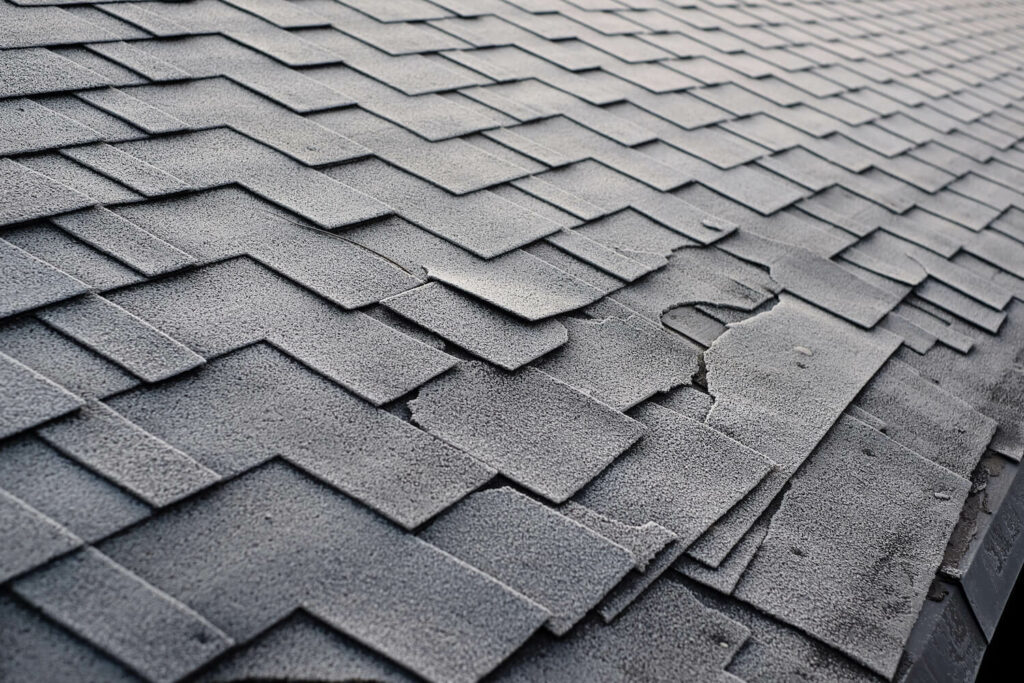
When it comes to maintaining the integrity of your home, your roof is the first line of defense against the elements. Shingle roofing is a popular choice for many homeowners due to its affordability and versatility, but weather conditions can have a significant impact on its performance and lifespan. Understanding how different weather elements affect shingle roofing can help you take the right steps to protect your investment.
Sun and Heat Exposure
Prolonged exposure to direct sunlight can cause shingles to age prematurely. UV rays dry out the asphalt in shingles, leading to cracking, curling, and granule loss. Over time, this degrades their ability to protect your home from water intrusion. In areas with extreme heat, shingle roofs may also expand and contract more frequently, which weakens the material and can lead to leaks.
Rain and Moisture
Water is one of the biggest threats to any roofing system. If shingles are damaged or improperly installed, rain can seep beneath them, leading to mold growth, rot, and structural damage. Heavy and persistent rain can accelerate the wear and tear on shingles, especially if the roof lacks proper drainage or ventilation. It’s important to inspect for soft spots or discoloration that indicate water damage.
Wind Damage
Strong winds can lift and tear shingles away from the roof, exposing the underlayment and decking to the elements. Even moderate winds can cause damage over time, especially if the shingles are older or not securely fastened. Missing or loose shingles should be addressed immediately to prevent further issues, as they can quickly lead to leaks and insulation problems.
Hail Impact
Hailstorms can be particularly damaging to shingle roofs. The force of hailstones can bruise, crack, or puncture shingles, removing protective granules and reducing the roof’s ability to shed water. Hail damage isn’t always visible from the ground, so it’s wise to schedule a professional inspection after a major storm.
Snow and Ice
In colder climates, snow and ice buildup can cause shingles to crack under pressure. Ice dams, which form when melting snow refreezes at the edge of the roof, can push water back under the shingles and into your home. Proper attic insulation and ventilation are key to preventing these issues.
Humidity and Seasonal Changes
Frequent temperature fluctuations and high humidity levels can cause shingles to deteriorate more quickly. Moisture trapped beneath shingles can foster mold and mildew, which undermines the roof’s structure. Seasonal inspections can help identify signs of wear early and extend the life of your roof.
Conclusion
Shingle roofing is a durable and cost-effective choice, but it’s not immune to the forces of nature. Being aware of how weather affects shingle roofing performance helps you take proactive measures, like regular maintenance and timely repairs, to ensure long-lasting protection for your home.
Is your shingle roof showing signs of weather damage? Don’t wait until it’s too late. Contact our roofing experts today for a comprehensive inspection and personalized maintenance plan to keep your roof in top shape, rain or shine.
This post was written by the team at FRG. With over 30 years of combined experience, FRG is a trusted roofing company serving homeowners and businesses throughout Missouri. Specializing in roof repairs, replacements, and storm damage restoration, our in-house, factory-certified experts deliver high-quality workmanship and personalized service on every project. We’re committed to excellence and dedicated to giving back to the communities we serve.
