
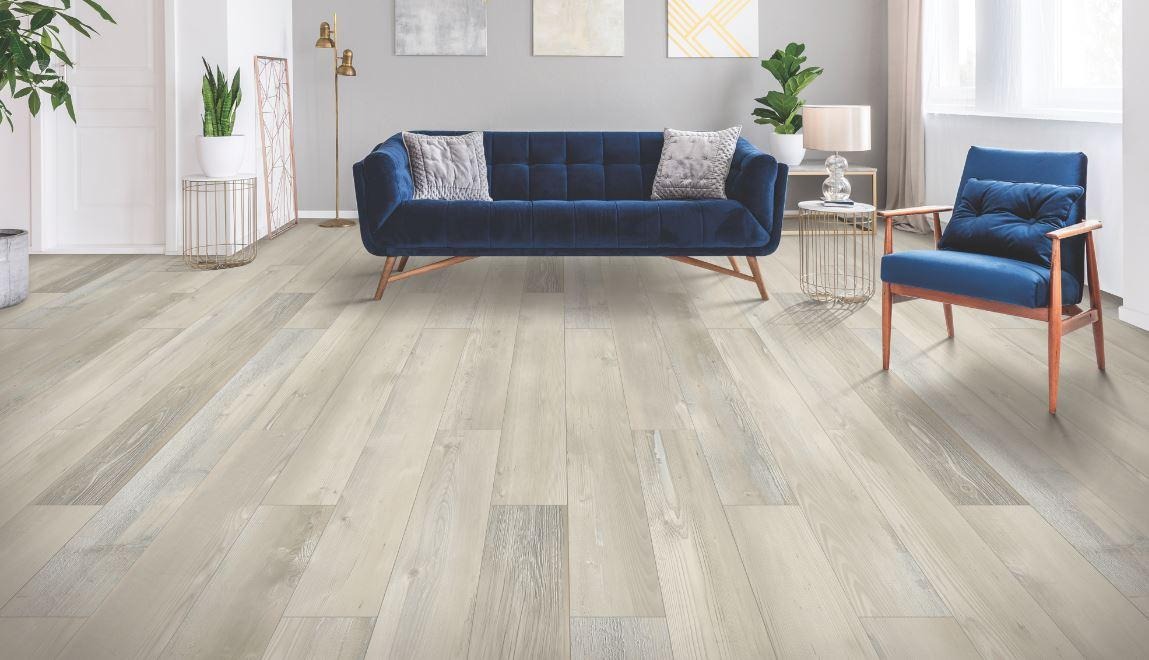
Designing a beautiful home goes far beyond selecting trendy furniture or stylish paint colors. One of the most influential—yet often underestimated—elements of interior design is the flooring. The right flooring can unify every space, enhance natural light, and set the tone for your entire home. But achieving harmony means carefully coordinating flooring with wall colors, furniture, and decorative accents.
Whether you’re renovating, building a new home, or simply upgrading a room, understanding how flooring interacts with other visual components is key to achieving a cohesive, luxurious, and balanced look. Here’s a complete guide to mastering this synergy.
Why Flooring Matters in Home Cohesion
Flooring covers the largest surface area in any room. Because of this, it has the power to influence color perception, room size, mood, and overall design flow. A well-chosen floor not only enhances beauty but also ties together furniture, décor, and architectural features.
A cohesive home creates:
A cleaner, more visually appealing environment
A sense of continuity between rooms
Better balance between bold and neutral elements
Increased property value through thoughtful design
With this in mind, let’s explore how to match flooring with the rest of your interior components like a design professional.
Start with Your Flooring First
Before buying wall paint or furniture, choose your flooring first. Flooring is more permanent, costly, and harder to replace than wall colors or décor items. Once your floor is selected—whether it’s hardwood, tiles, vinyl, carpet, or stone—it becomes your anchor.
Choosing the Right Base Tone
Your flooring will fall under one of these base tones:
Warm tones: Honey, walnut, red oak, warm grey
Cool tones: Ash, charcoal, whitewashed wood, cool stone
Neutral tones: Beige, taupe, sand, light grey
Warm floors pair well with earthy, cozy interiors, while cool-toned floors create modern, airy atmospheres. Neutral floors give you maximum flexibility for future style changes.
Matching Flooring with Wall Colors
Wall colors and flooring should complement—not compete with—each other. The key lies in contrast and harmony.
Warm Flooring + Warm Walls
If you have warm flooring (like wood with red or orange undertones), choose wall colors within the same temperature group. Perfect picks include:
Cream
Soft beige
Caramel
Warm greys
Olive green
This creates a comfortable, inviting feel suitable for bedrooms, living rooms, and family areas.
Cool Flooring + Cool Walls
Cool-toned floors pair beautifully with:
White
Ice blue
Soft grey
Sage
Charcoal
This combination gives modern spaces a clean and sophisticated backdrop.
High Contrast for Drama
Contrast adds depth. For example:
Dark floors + white or pale walls
Light floors + deep navy, charcoal, or forest green
Just ensure that contrast is balanced through décor (e.g., light furniture on dark floors).
Coordinating Flooring with Furniture
Furniture is the second biggest visual element after flooring. The trick is to coordinate without creating monotony.
Avoid Exact Matches
Furniture should not be the same shade as the floor—this makes a room look flat. Instead, aim for variety:
Dark floor → medium or light furniture
Light floor → medium or rich-toned furniture
Balance with Texture
Texture plays as important a role as color:
Pair smooth flooring with textured furniture (rattan, bouclé, linen).
Complement grainy wood floors with sleek furniture (glass, metal, lacquer).
Contrast in texture creates depth and visual interest.
Use Rugs as Design Bridges
If a piece of furniture seems too bold or contrasting:
A neutral or patterned rug helps soften the transition.
Rugs also help define spaces in open floor plans.
Matching Décor and Accents
Décor is where your personality shines—artwork, throw pillows, lamps, curtains, and accessories. But even these should connect subtly with your flooring.
Choose Accent Colors Wisely
Pick décor colors that:
Echo the undertones of your flooring
Complement your wall shade
Don’t overwhelm the space
For example:
Warm wood flooring → gold, rust, terracotta, olive accents
Cool grey flooring → blue, silver, black, emerald accents
Use Metallics to Tie Everything Together
Metallic finishes—brass, chrome, bronze, or black metals—can unify design elements.
Warm metals (brass, gold) pair with warm flooring
Cool metals (chrome, silver) enhance cool flooring
Consider Décor Scale
Large décor pieces (art, mirrors, sculptures) should contrast with flooring to stand out. Smaller accessories can blend in more softly.
Maintaining Cohesion Across Multiple Rooms
A cohesive home doesn’t mean every room must look identical; it means each room flows softly into the next.
Tips for Whole-Home Flow
Use similar flooring throughout major spaces
Keep color palettes within the same family (warm or cool)
Repeat an accent color in different rooms
Use common materials like wood, stone, or metal across spaces
Even varying floor materials can look cohesive if undertones match and transitions are thoughtfully designed.
Conclusion
Creating a cohesive home look is an art, but with the right approach, anyone can achieve a beautifully unified space. Matching flooring Dubai with wall colors, furniture, and décor ensures that no element feels out of place and that every room contributes to a harmonious whole. By balancing tones, textures, contrast, and flow, you can transform your home into a polished, inviting, and stylish environment that feels both comfortable and visually connected.
