
We’ve all been there. You walk into a room and feel that unmistakable squish underfoot. Your carpet is soaked, and suddenly you’re picturing warped floors, ruined underlay, and a repair bill that makes you wince.
The good news is that it doesn’t have to end that way. Acting fast and knowing what to do can save your carpet from becoming a complete write-off.
Want to know more? Keep reading to learn how you can tackle water damage before it turns into a major headache.
Assess the Damage
Before you grab every towel in the house, take a moment to see exactly what kind of mess you’ve got on your hands.
Surface water is manageable. You can tackle it quickly and move on. But if the carpet is soaked through to the underlay, it’s going to take a lot more effort to fix.
Lift a corner and check underneath. If the padding is holding water, it’s spread further than you think. Water doesn’t stay put, so inspect along skirting boards, under furniture, and inside nearby cupboards.
Move anything sitting in the damaged area straight away. Get tables, lounges, and rugs off the carpet before they add to the problem.
If you can’t work out where the water is coming from, or if it’s leaking from above or below, call a plumber or roofer. There’s no point drying anything if the leak keeps going.
Remove Excess Water
Once you know the extent of the damage, it’s time to get rid of as much water as possible.
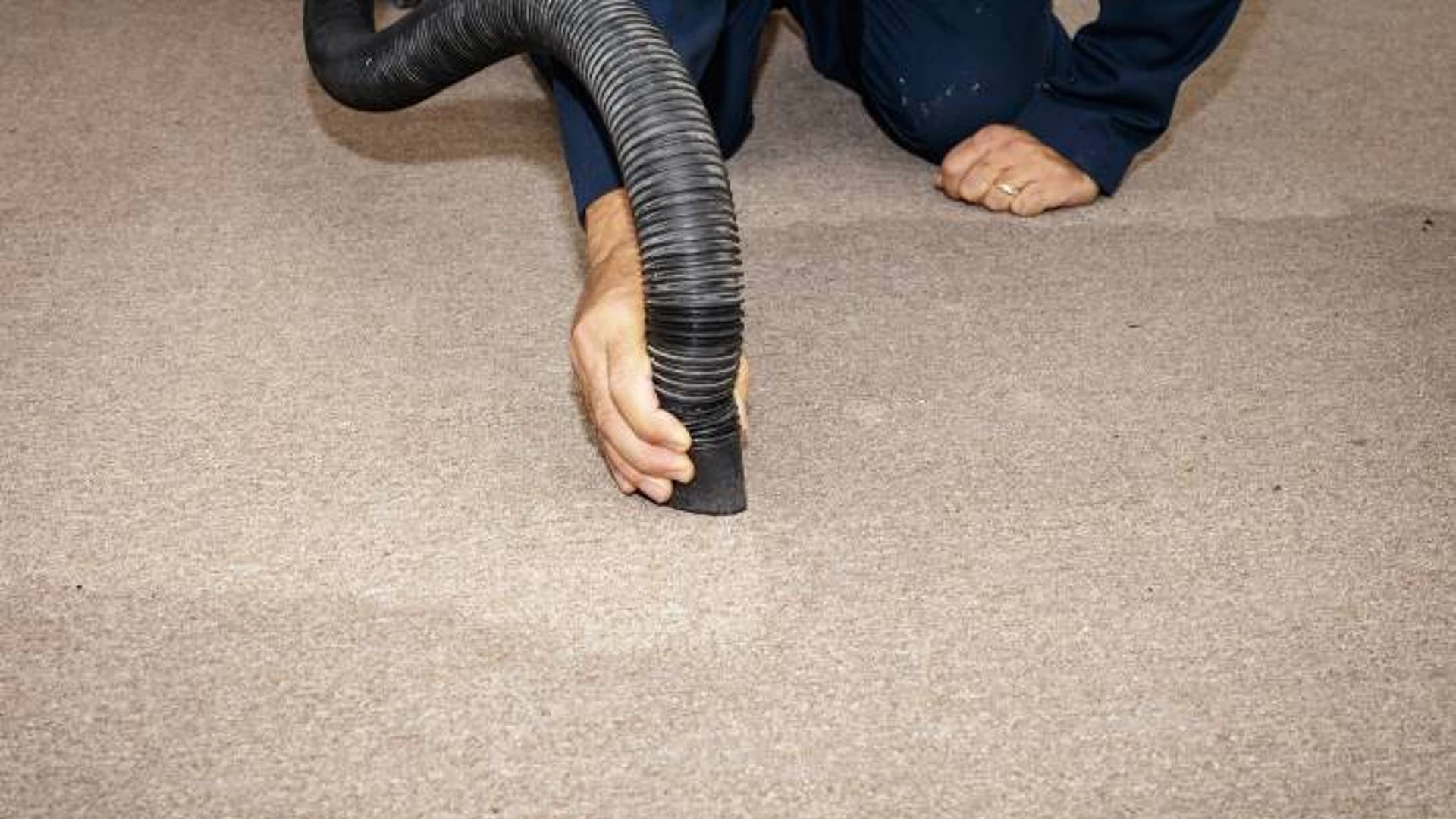
A wet and dry vacuum is your best friend here. It pulls out litres of water quite fast and gives you a proper head start. However, if you don’t have one, grab a stack of clean towels and press down firmly to soak up what you can.
If you’re dealing with more than just a little patch, consider renting a commercial extractor from a hardware store. They’re not expensive and make a real difference. Just remember to empty it regularly, especially if you’re working through a serious spill.
Lift the Carpet and Pad
Once the top layer is taken care of, you can now shift your attention to the carpet and padding below.
Start by gently lifting a corner of the carpet. If it’s stuck, use pliers to ease it up, but be careful not to damage the fabric.
Underneath, you’ll find the padding, which acts like a sponge. Once it’s wet, it’s slow to dry unless you give it help. Lift both the carpet and the underlay enough to let air flow underneath. Prop them up with plastic tubs, timber, or whatever you’ve got on hand.
Don’t tack or staple anything back down yet. Drying takes time, and more airflow now means less chance of mould later.
Use Fans and Dehumidifiers
Now that everything is lifted, it’s time to move air through the space. Open windows and doors if the weather allows, and direct your fans directly at the damp sections. You want air moving over the carpet and underlay, not just circling the room.
A dehumidifier is worth its weight here. Set it up and let it run, quietly pulling moisture from the air and stopping it from settling back into surfaces.
Keep fans and dehumidifiers running for at least 24 to 48 hours. Carpets don’t dry overnight, and if they still feel even slightly damp after a few days, keep going. A little extra patience now saves trouble later.
Apply Cleaning Solutions
When the carpet is no longer doing its best impression of a soaked sponge, it’s time to tackle the mess properly. Water damage leaves behind more than dampness—odours, bacteria, and marks that could stick if ignored.
Here’s how to handle it step by step:
- Prep the area. Move furniture back out of the way and make sure the carpet is as dry as possible. Open windows or turn on a fan to keep airflow going while you clean.
- Mix your cleaning solution. Combine warm water with a few drops of dish soap and a splash of white vinegar. For extra protection against bacteria, add disinfectant at a ten-to-one water ratio.
Always test a small, hidden patch first to make sure the carpet colour isn’t affected.
- Apply the cleaning solution carefully. Using a clean cloth or sponge, dab the mixture onto the carpet. Avoid scrubbing harshly, as that can push moisture deeper into the fibres. Work from the edges toward the centre to avoid spreading residue.
- Lift and blot. Press a dry towel onto the carpet to lift the cleaning solution and any loosened dirt. Replace the towel when it becomes damp and repeat until the area feels cleaner and less wet.
- Rinse if needed. If the soap leaves a sticky residue, lightly dab with plain warm water and blot again.
- Dry thoroughly. Keep fans and dehumidifiers running until the carpet is fully dry. This step is vital to preventing mould and lingering odours.
- Final check. Give the area a sniff and visual once-over. If anything still smells off or looks dodgy, go through the cleaning steps again.
Once you’ve cleaned and dried everything thoroughly, the carpet should feel fresh, smell neutral, and be ready for the next step: keeping mould at bay.
Check for Mould Regularly
Just because the carpet feels dry doesn’t mean the threat is gone—mould could still be developing underneath.
For the next few weeks, do regular inspections. Grab a torch and check carpet edges, under furniture, and along baseboards. Trust your nose, too. Even if the carpet seems dry, musty or earthy smells usually mean mould spores are still around.
Caught early, you can treat it yourself. Mix one part bleach with four parts water, glove up, and gently scrub the area with a soft brush. Always ventilate the room when using bleach, and don’t soak the area again.
If mould keeps returning or spreads over a large section, bring in professional carpet cleaning specialists to eliminate mould once and for all.
Reinstall the Carpet Once Dry
Once everything is completely dry and mould-free, it’s time to put your carpet back where it belongs. Start with the underlay, and make sure it’s lying flat and positioned correctly. Then roll the carpet back into place, smoothing it out gradually to avoid wrinkles or lumps.
Tools like a carpet stretcher or knee kicker help get the carpet sitting flat and wrinkle-free. If you’re not sure how to use them, it might be worth calling in someone who knows their way around carpets.
Once the carpet is back in place, run a fan or dehumidifier over the area one last time.
Conclusion
Well done! You’ve faced the dreaded water damage and now know exactly how to fix it. Dry it thoroughly, keep an eye out for mould, tackle any lingering marks, and you’ll be surprised how much you can fix yourself.
If it still feels like a nightmare, there’s no shame in calling in help—sometimes the fastest way to peace of mind is knowing it’s in capable hands.
