
Walk through any home improvement store in Altamonte Springs and you will see shelves full of sprays, traps, powders, and baits. Each product promises quick relief from ants, roaches, rodents, or other pests. Many homeowners try these options first, hoping for a quick fix. Store-bought products may reduce pests for a short time, but they often fail to solve the full problem in local homes. That is why homeowners must consider hiring a pest control company in Altamonte Springs whenever they deal with pests inside and outside their homes. Below are reasons they should not rely on store-bought pest control products:
Pests in Altamonte Springs Are Not Occasional Invaders
Altamonte Springs has warm weather, frequent rain, and high humidity. These conditions support pest activity all year. Most store-bought products aim at surface pests. They work best for brief encounters. Local pests often nest in walls, soil, attics, or crawl spaces. Products meant for open areas rarely reach those hidden zones.
Surface Treatments Miss the Real Problem
Sprays and traps focus on pests you can see. This approach may be productive initially. Dead ants or roaches provide visible proof. But these pests represent only a small part of the population.
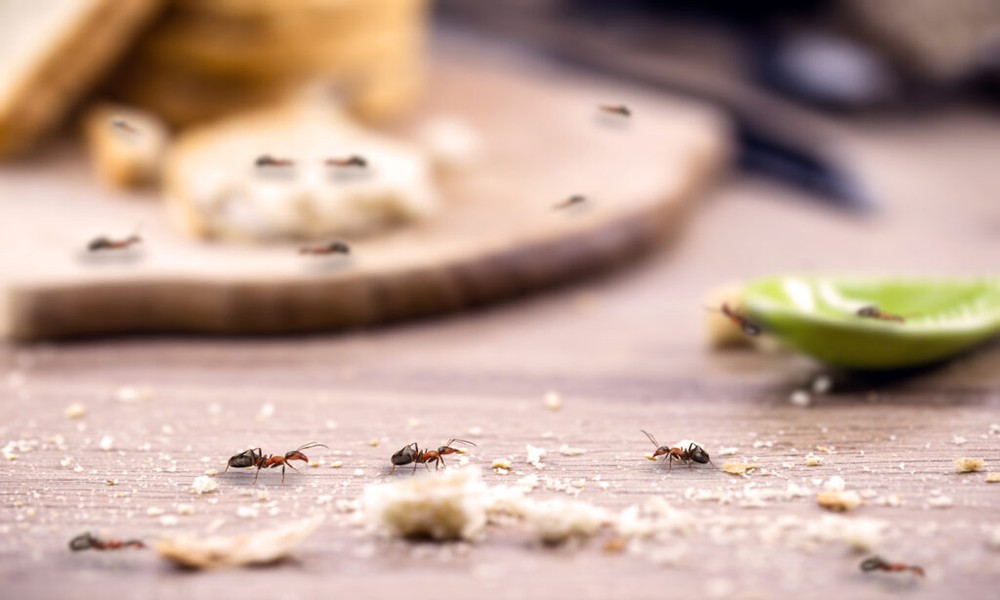
Ant colonies may include thousands of workers and one or more queens. Killing a few ants on the counter does not stop reproduction. Roaches hide in wall voids and appliances, well beyond the reach of most sprays. Without access to nests or breeding sites, store-bought products leave the source untouched.
Product Strength Is Limited for Safety Reasons
Retail pest control products must meet strict safety rules. These limits protect homeowners and pets, but they also reduce strength. Lower potency means less impact on established infestations. Professional products differ in formulation and application method. Trained technicians apply them in controlled ways, with attention to placement and dosage. Store products lack that precision.
Pests Develop Resistance Over Time
Pests that are exposed to the same chemicals again and again may build resistance. Many ants and roaches in Florida already show tolerance to common retail products. Homeowners may switch brands, but the products may still have the same active ingredients. Pests survive exposure and continue to thrive. This cycle leads to frustration and higher costs over time. Professional pest control rotates products and methods. This strategy reduces resistance and improves results.
Improper Use Reduces Effectiveness
Store-bought products rely on correct use. Labels include detailed instructions, but many people apply too much or too little. Some spray areas pests never visit. Others use products meant for outdoors inside the home. Improper placement limits results and may create safety risks. Overuse can also scatter pests, which spreads the problem to new areas. Professionals assess pest behavior before treatment. This knowledge guides placement and timing.
Hidden Entry Points Stay Active
Pests enter homes through small gaps around doors, windows, vents, and utility lines. Store-bought products may not address these access points. Spraying inside the home does not stop new pests from entering. Professional pest control often includes exclusion work. Sealing gaps and advising on repairs helps stop pests before they reach living spaces.
Moisture Issues Go Unchecked
Many pests depend on water. Store-bought products do not identify or address moisture sources. Also, damp cabinets, bathrooms, and crawl spaces draw pests. Professional services look beyond chemicals. They help spot moisture issues that fuel infestations and suggest ways to reduce risk.
Outdoor Sources Remain Untouched
Pest problems can begin outside. Most retail products focus on indoor use. Outdoor treatments require knowledge of pest behavior and safe application zones. Without outdoor control, pests continue to move inside.
Traps and Baits Can Create False Confidence
Traps catch pests, which gives a sense of progress. However, traps only capture a small number. of pests. They do not reduce breeding or nesting. Baits may attract pests, but placement matters. Poor placement leads to low contact. Some baits spoil fast in humid conditions, which reduces their appeal.
